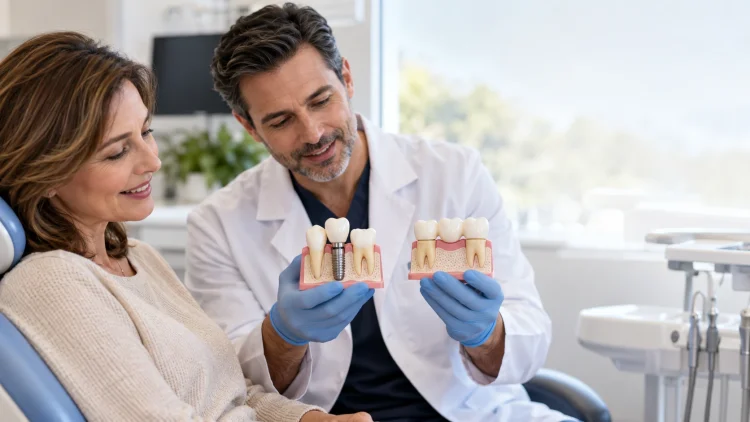
Losing a single tooth can feel like a surprisingly big change. You may notice the gap every time you smile or laugh. Chewing on that side may become uncomfortable, and over time, the teeth around the empty space may begin to shift. Bone changes can also occur where the tooth and its root are no
read more
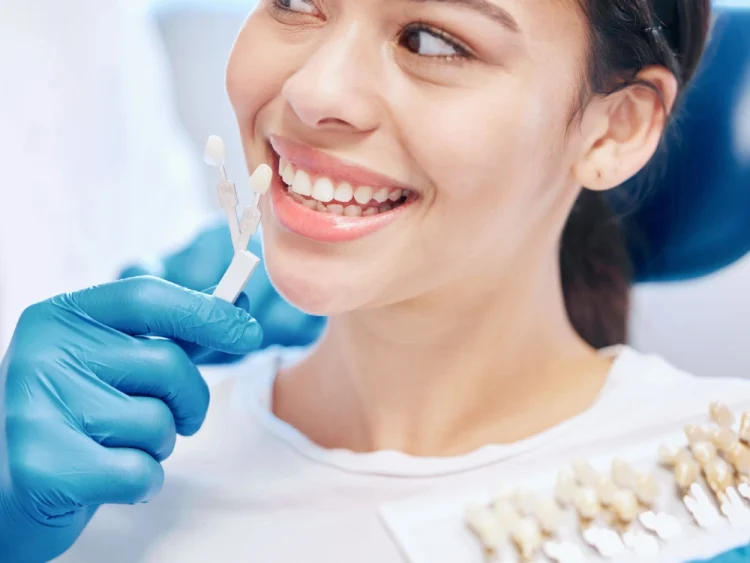
If you’ve ever needed a crown the old-fashioned way, you know the drill: a mold, a temporary crown glued on, then two or three weeks of chewing carefully on one side while you wait for the lab to send back the real thing. Sometimes the temporary pops off at the worst possible moment. Same-day dental
read more
You visit the dentist because of tooth sensitivity, discomfort, or a cavity, and after the examination, you hear that the tooth needs to be repaired. The next question is often: Do I need a crown or a filling? Both treatments can repair a damaged tooth, but they are designed for different situations. A filling usually repairs
read more
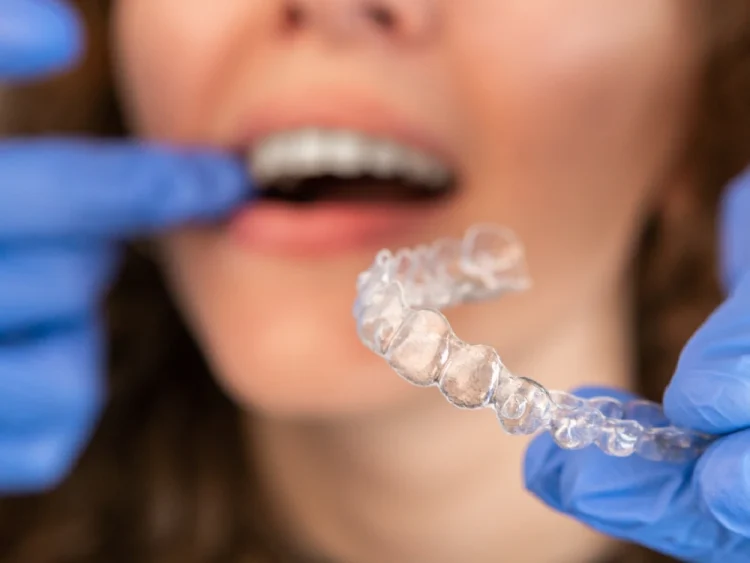
A lot of adults think about straightening their teeth for years before they finally ask about it. Sometimes it starts with a small gap that shows in photos. Other times, teeth have slowly shifted and started to feel crowded. For many people, the biggest question is simple: “Can I fix this without braces?” In many
read more
Acid wear on teeth can happen slowly, often before you notice anything is wrong. Many patients first see small changes, such as tooth sensitivity, thinner enamel, or teeth that look more yellow than before. These signs may seem minor at first, but they can point to enamel erosion. Enamel is the hard outer layer of your
read more
A filling or crown is meant to protect your tooth. When one comes loose or falls out, that protection is gone. Some people feel pain right away. Others feel almost nothing and assume it can wait. That is where problems begin. A lost filling or crown may seem minor at first, but it can quickly turn into a bigger
read more
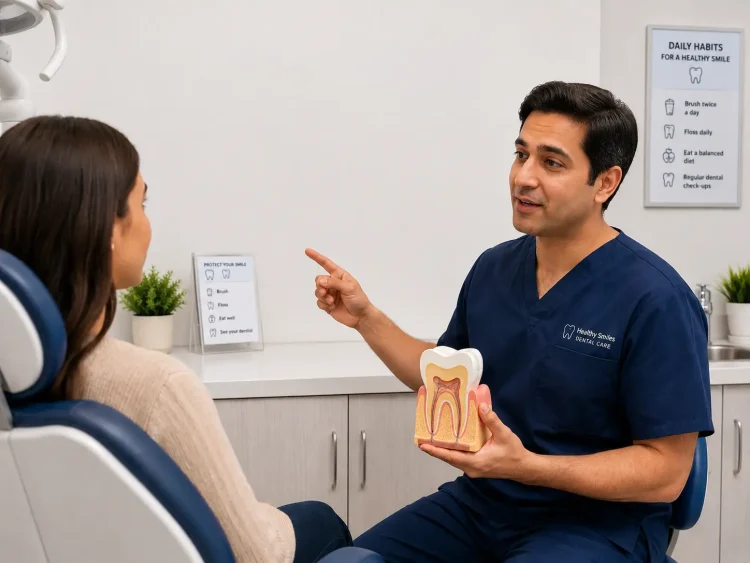
Dental issues before 40 are more common than many people think. Even if your teeth look healthy, early problems can develop without clear symptoms. In your 20s and 30s, lifestyle habits, diet, and stress can all affect your oral health. As a dentist, I often see patients surprised by how quickly small issues can grow. The
read more
Most people wait for tooth pain before calling a dentist. That approach costs more money and creates unnecessary discomfort. Regular visits to a general dentist prevent problems rather than react to them. Catching Problems While They’re Small Tooth decay moves slowly. A dentist spots cavities months before you feel pain. Early detection means simple fillings
read more