

You want a brighter, more attractive smile, but should you whiten your natural teeth or consider porcelain veneers? When comparing veneers vs teeth whitening, the right choice depends on what you want to change about your smile.
Teeth whitening can brighten natural enamel and reduce many types of discoloration. Veneers go further, covering the visible front surfaces of teeth to improve their colour, shape, size, and overall appearance.
For patients in Orinda, CA, both treatments offer ways to improve their smiles, but they involve different costs, procedures, and long-term commitments. Understanding those differences can help you choose a treatment that fits your dental health and cosmetic goals.
Veneers vs Teeth Whitening: Understanding the Difference
Although both treatments can improve the appearance of your smile, they work in completely different ways.
What is professional teeth whitening?
Professional teeth whitening uses bleaching agents, typically hydrogen peroxide or carbamide peroxide, to lighten natural tooth colour.
Your dentist may recommend an in-office whitening procedure or a professionally supervised take-home system, depending on your teeth, sensitivity, and desired results.
Whitening is commonly used to address discoloration associated with:
- Coffee, tea, and red wine.
- Tobacco use.
- Natural aging.
- Certain stains that have developed within the tooth structure.
Results vary depending on the type and severity of discoloration. Some stains respond well, while others are resistant to bleaching.
The American Dental Association's guidance on tooth whitening explains how whitening agents work and why a dental examination helps determine whether treatment is appropriate.
American Dental Association
What are porcelain veneers?
Porcelain veneers are thin, custom-made shells bonded to the front surfaces of teeth. They are designed to improve the appearance of teeth while maintaining a natural-looking smile.
Unlike whitening, veneers can address several cosmetic concerns at once, including:
- Deep discoloration that does not respond well to whitening.
- Small chips or worn tooth edges.
- Minor differences in tooth shape or size.
- Certain small gaps between teeth.
- Mild cosmetic irregularities that do not require orthodontic correction.
Porcelain veneers typically require removing a small amount of enamel to accommodate the restoration. Because enamel does not grow back, this is generally considered an irreversible treatment.
At Orinda Dental Care, patients interested in changing the appearance of their teeth can explore porcelain veneers in Orinda as part of a personalized cosmetic treatment plan.
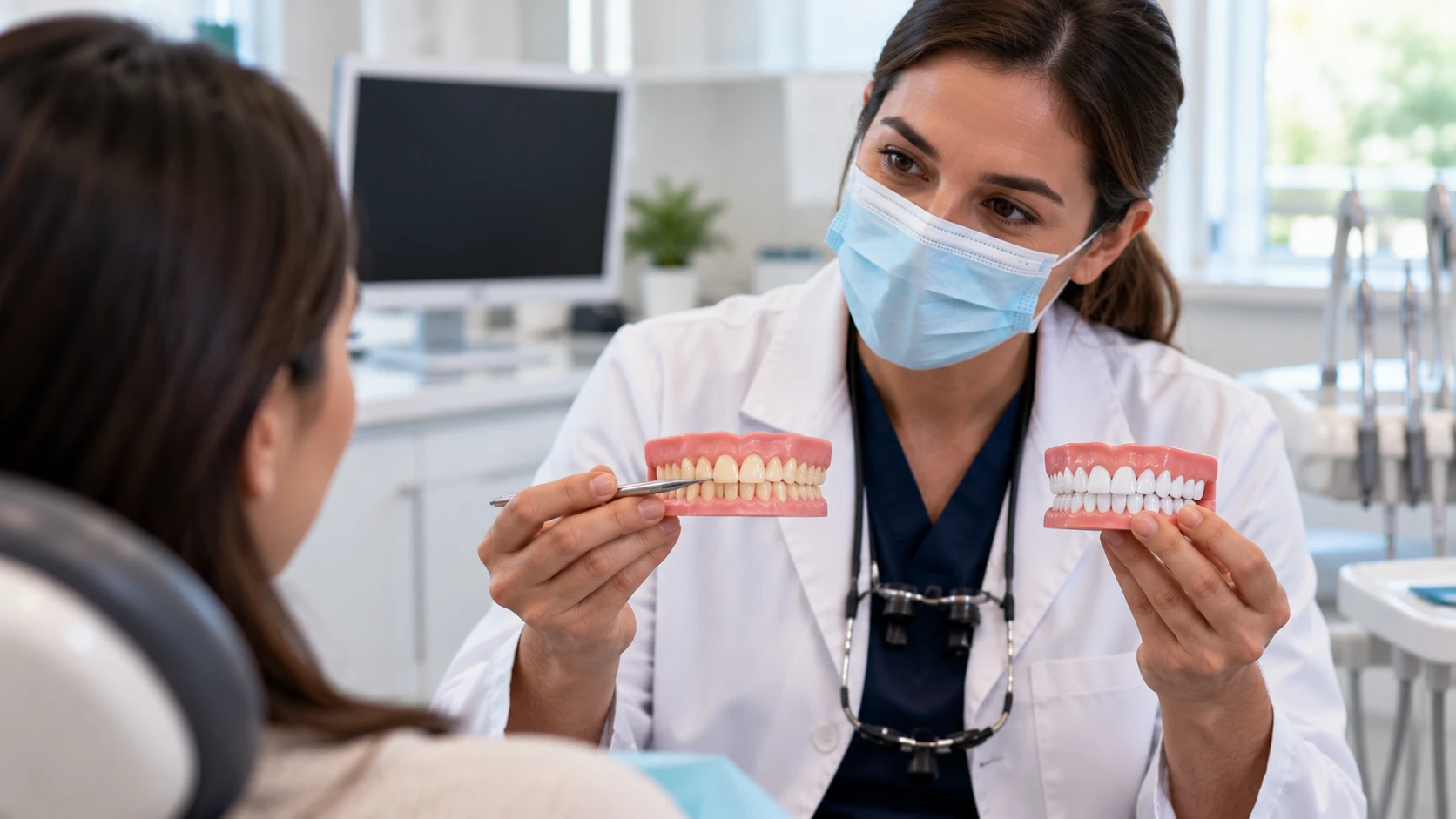
Image 1: Cosmetic Dentistry Consultation
Placement: Immediately below the section "What are porcelain veneers?"
Image Concept & Context: A realistic consultation where a dentist discusses whitening and veneer options with a patient.
Generative Image Prompt: Photorealistic professional dental photography inside an elegant, modern cosmetic dental clinic in Orinda, California. A friendly dentist wearing navy-blue scrubs sits beside an adult female patient, discussing cosmetic treatment options using a natural-looking dental shade guide and realistic tooth models. Patient has naturally coloured, healthy teeth and realistic skin texture. Soft daylight from large windows, warm neutral tones, clean white cabinetry, muted beige and pale blue accents, professional but relaxed atmosphere, medium eye-level camera angle, shallow depth of field, landscape 16:9 composition. No logos, no text, no exaggerated white teeth, no artificial-looking smiles.
Rank Math SEO Alt Text: Dentist discussing veneers vs teeth whitening with a patient during a cosmetic consultation in Orinda.
7 Key Differences Between Veneers and Teeth Whitening
1. What each treatment can improve
The biggest difference is the type of cosmetic concern each treatment addresses.
Teeth whitening changes the colour of natural teeth. It does not repair chips, close gaps, straighten teeth, or alter their shape.
Veneers can change both colour and appearance. A dentist can design veneers to create more consistent tooth proportions, improve the appearance of minor chips, or mask discoloration that whitening cannot adequately correct.
If your teeth are healthy and you are primarily unhappy with their colour, whitening is usually the more conservative option to consider first.
If you also want to change tooth shape or conceal visible damage, veneers may be more appropriate.
2. How natural your smile will look
Both treatments can produce natural-looking results when planned carefully.
Whitening preserves your existing tooth shape and surface characteristics. It simply lightens the natural enamel, so your smile continues to look like your own.
Porcelain veneers are individually designed to complement your facial features, tooth proportions, and surrounding teeth. Their colour, translucency, and surface texture can be adjusted to resemble natural enamel.
However, excessively bright or poorly proportioned veneers can appear artificial. A thoughtful treatment plan should prioritize balance rather than an unnaturally white smile.
3. How long the results last
Professional whitening results are not permanent. Teeth can gradually become discoloured again through aging, dietary habits, and tobacco exposure.
Some patients choose occasional touch-up treatments to maintain their preferred shade.
Porcelain veneers are designed to last for years, but they are not lifetime restorations. They can chip, loosen, wear, or eventually require replacement.
Their longevity depends on several factors:
- Oral hygiene and gum health.
- Teeth grinding or clenching.
- The condition of the underlying teeth.
- Bite alignment.
- Daily habits and regular dental care.
The American Dental Association's patient guide to dental veneers explains the differences between porcelain and composite veneers, along with their maintenance requirements.
MouthHealthy
4. How much tooth preparation is required
Teeth whitening is a non-restorative treatment. It generally does not require drilling, removing enamel, or permanently altering tooth structure.
Some patients experience temporary sensitivity or gum irritation, particularly when stronger bleaching products are used.
Traditional porcelain veneers usually require removing a thin layer of enamel from the front of the teeth. This creates room for the veneer and helps achieve a natural fit.
The amount of preparation varies based on tooth position, the desired appearance, and the type of veneer. Some cases may qualify for minimal-preparation techniques, but not everyone is a suitable candidate.
If preserving as much natural tooth structure as possible is your priority, discuss whether whitening or another conservative treatment can achieve your goals before choosing veneers.
5. How long treatment takes
Professional teeth whitening is generally the faster option.
Depending on the whitening method, treatment may involve a single in-office visit or a take-home program completed over several days or weeks.
Porcelain veneers usually require additional planning and multiple stages.
A typical process may include:
- An initial examination and cosmetic consultation.
- Selecting the desired tooth shape and shade.
- Preparing the teeth when necessary.
- Taking digital scans or impressions.
- Fabricating the custom veneers.
- Checking their fit and bonding them to the teeth.
Some dental practices offer different fabrication workflows, so the exact timeline should be confirmed during your consultation.
6. What each treatment costs
Professional teeth whitening generally has a lower upfront cost than porcelain veneers.
Whitening costs depend on whether you choose an in-office procedure or a dentist-supervised take-home system.
Veneers cost more because they involve customized restorations, clinical preparation, fabrication, and bonding. The total price also depends on how many teeth are treated and whether additional dental work is needed.
When comparing costs, consider more than the initial fee.
With teeth whitening, you may need periodic touch-ups to maintain your results.
With porcelain veneers, you should plan for ongoing maintenance and the possibility of repair or replacement in the future.
Cosmetic procedures are often excluded from dental insurance coverage, although benefits vary by plan.
For an accurate estimate in Orinda, request a written treatment plan that explains the procedures, expected fees, and potential future expenses.
7. Maintenance and everyday habits
Both treatments require good oral hygiene, but the maintenance considerations differ.
After whitening, reducing frequent exposure to staining foods and beverages can help preserve your results. Brushing, flossing, and regular dental cleanings also support a healthy smile.
Veneers require the same daily oral care as natural teeth. You should also avoid using your teeth to open packaging, biting hard objects, or habits that place excessive pressure on restorations.
If you grind your teeth at night, your dentist may recommend a protective nightguard.
Remember that veneers cover only part of the tooth. The underlying tooth and surrounding gum tissue still need proper care to prevent decay and periodontal problems.
Image 2: Natural-Looking Cosmetic Dental Results
Placement: Immediately after the seventh difference, "Maintenance and everyday habits"
Image Concept & Context: A realistic portrait illustrating an attractive but natural smile without an exaggerated cosmetic appearance.
Generative Image Prompt: High-end photorealistic editorial portrait of a confident adult woman in her late 30s with a naturally attractive, healthy smile. Teeth should have realistic enamel texture, subtle translucency, slight natural colour variation, and authentic proportions, not overly white or perfectly identical. Warm natural window lighting, soft neutral background, realistic skin pores and facial features, relaxed genuine expression, contemporary lifestyle photography aesthetic suitable for a premium California dental practice. Close-up head-and-shoulders framing, shallow depth of field, landscape 16:9 composition with negative space on the right. No text, no logos, no artificial-looking teeth, no before-and-after comparison.
Rank Math SEO Alt Text: Natural-looking smile showing the cosmetic results patients may seek with veneers or teeth whitening.
Which Treatment Is Better for Stained or Discoloured Teeth?
Not every type of discoloration responds the same way to whitening. Identifying the cause of the staining is one of the most useful steps before choosing a cosmetic treatment.
When teeth whitening is usually the better option
Professional whitening is often a good starting point when your teeth are healthy, their shape is satisfactory, and the main concern is yellowing or staining.
For example, someone whose teeth have gradually darkened from years of coffee consumption may achieve a noticeable improvement with whitening alone.
Whitening is also worth considering before investing in more extensive cosmetic treatment, provided the type of discoloration is likely to respond.
When veneers may provide better results
Veneers may be appropriate when discoloration is severe, resistant to bleaching, or accompanied by other cosmetic concerns.
Examples include teeth with uneven shapes, worn edges, minor chips, or persistent discoloration that cannot be adequately improved through whitening.
However, veneers are not automatically the best solution for every stained tooth. A single dark tooth, for example, may require an examination to determine whether the discoloration is associated with previous trauma or an underlying dental problem.
The ADA's patient information on teeth whitening explains why some types of discoloration respond differently to bleaching.
MouthHealthy
Can You Combine Veneers and Teeth Whitening?
Yes. Some patients benefit from a combination of treatments, particularly when only certain teeth need veneers.
For example, you may want to improve the shape of two front teeth while brightening the surrounding natural teeth.
In that situation, your dentist may recommend whitening first, allowing the final tooth colour to stabilize, and then selecting a veneer shade that blends with the rest of your smile.
The order matters because whitening products do not change the colour of existing porcelain veneers, crowns, or fillings.
If you already have restorations on visible teeth, discuss this before beginning whitening. You may need to consider whether those restorations will still match your natural teeth afterward.
How to Choose the Right Cosmetic Treatment in Orinda
The best approach depends on your teeth, your expectations, and how much treatment you are comfortable pursuing.
Before making a decision, ask yourself:
- Am I unhappy with the colour or the shape of my teeth? Whitening addresses colour, while veneers can address several appearance-related concerns.
- Are my teeth and gums healthy? Cavities, gum disease, and other untreated problems should be assessed before cosmetic treatment.
- Do I want to preserve my natural enamel? Whitening generally requires less alteration of tooth structure.
- What is my long-term budget? Consider maintenance, whitening touch-ups, and possible veneer replacement.
- Do I have existing crowns or fillings? These restorations will not change colour with whitening.
- Am I comfortable with a permanent cosmetic change? Traditional porcelain veneers generally involve irreversible enamel removal.
A consultation gives your dentist the opportunity to evaluate these factors and explain what is realistically achievable.
Patients in Orinda, Lafayette, and Moraga can review the available treatments through Orinda Dental Care's dental services before scheduling an appointment.
Image 3: Personalized Cosmetic Treatment Planning
Placement: Immediately after "How to Choose the Right Cosmetic Treatment in Orinda"
Image Concept & Context: A professional dentist evaluating natural tooth colour and discussing cosmetic options.
Generative Image Prompt: Photorealistic clinical lifestyle photography inside a contemporary cosmetic dental practice in Orinda, California. An experienced female dentist in clean professional scrubs uses a dental shade guide while discussing smile aesthetics with an adult patient seated comfortably in a dental chair. Realistic dental examination setting, natural healthy teeth with subtle colour variation, warm daylight, soft ivory and neutral grey interior, friendly professional interaction, authentic expressions and skin texture, shallow depth of field, eye-level medium composition, landscape 16:9. No logos, no text, no artificial-looking teeth, no before-and-after split image.
Rank Math SEO Alt Text: Cosmetic dentist in Orinda evaluating natural tooth colour before veneers or professional teeth whitening.
Frequently Asked Questions
Are veneers better than teeth whitening?
Veneers are not necessarily better. Whitening is generally more conservative and appropriate when the main concern is tooth colour. Veneers may be more suitable when you also want to improve tooth shape, conceal chips, or mask discoloration that does not respond well to bleaching.
Can teeth whitening damage porcelain veneers?
Professional whitening products generally do not change the colour of porcelain veneers. However, they can lighten surrounding natural teeth and create a noticeable shade difference. Ask your dentist to assess your existing restorations before whitening.
How long do porcelain veneers last compared to whitening?
Porcelain veneers can last for many years with proper care, although they may eventually require repair or replacement. Whitening results gradually fade, and some patients need periodic touch-ups. Longevity varies with oral hygiene, dietary habits, bite forces, and individual circumstances.
Should I whiten my teeth before getting veneers?
If you plan to whiten your natural teeth and receive veneers on selected teeth, whitening first may help your dentist choose a matching veneer shade. Your dentist will determine the appropriate timing and allow the tooth colour to stabilize before selecting the final shade.
Find the Right Cosmetic Dental Treatment at Orinda Dental Care
Choosing between veneers vs teeth whitening comes down to what you want to improve and how much treatment your teeth actually need.
If you are happy with the shape of your teeth and simply want a brighter smile, professional whitening may be enough. If you want to address stubborn discoloration, minor chips, or uneven tooth proportions, porcelain veneers may offer a more comprehensive solution.
At Orinda Dental Care, our dental team helps patients from Orinda, Lafayette, Moraga, and surrounding communities explore cosmetic treatment options based on their oral health and personal goals.
Whether you are considering professional whitening or porcelain veneers, the first step is a dental assessment to understand which approach is suitable for your smile.
Ready to explore your options?
Contact Orinda Dental Care to schedule a cosmetic dentistry consultation.