

A filling or crown is meant to protect your tooth. When one comes loose or falls out, that protection is gone. Some people feel pain right away. Others feel almost nothing and assume it can wait. That is where problems begin.
A lost filling or crown may seem minor at first, but it can quickly turn into a bigger dental issue. The exposed tooth is weaker, more sensitive, and more likely to trap food and bacteria. The longer you wait, the greater the risk of decay, fracture, or infection.
What happens when a filling or crown falls out?
A filling seals a damaged part of the tooth and helps restore its shape and strength. A crown covers and protects a tooth that has been weakened by decay, a crack, or a large filling. Once either one is gone, the tooth underneath is left exposed.
That exposed area can react to heat, cold, pressure, and sugar. It may also become rough or sharp. In many cases, bacteria can get into the area more easily, which raises the risk of further damage.
Even if the tooth does not hurt right away, it is still vulnerable.
Why ignoring it can make things worse
The biggest problem with waiting is that the tooth will not heal on its own. Without the filling or crown in place, everyday chewing puts more stress on the tooth. A weak tooth can chip or crack, especially if you bite down on something hard.
Food and plaque can also collect in the open space. That can lead to new decay around the tooth or under the remaining structure. If bacteria reach the inner part of the tooth, you may develop an infection or nerve pain.
What might have been a simple repair can become a larger treatment. In some cases, that means a root canal, a new crown, or even an extraction if the tooth cannot be saved.
Common signs you need care soon
A lost filling or crown should always be checked, even if symptoms are mild. Still, some signs mean you should call a dentist as soon as possible.
Watch for:
- pain when chewing
- sensitivity to hot or cold
- a sharp edge that cuts your tongue or cheek
- swelling in the gum
- a bad taste in your mouth
- visible damage to the tooth
- pressure or throbbing around the area
These symptoms can point to deeper damage that needs prompt attention.
Can you wait a few days?
In some cases, you may need to wait a short time before your appointment. If so, try to protect the tooth as much as possible. Avoid chewing on that side. Stay away from sticky foods, hard foods, and anything very hot or cold if the tooth is sensitive.
Rinse gently with warm salt water to keep the area clean. If you still have the crown, save it and bring it with you. Sometimes it can be reused. Do not try to glue it back on with household products.
Temporary dental cement from a pharmacy may help for a short period, but it is not a substitute for proper care. It only buys a little time.
Early treatment helps protect your tooth
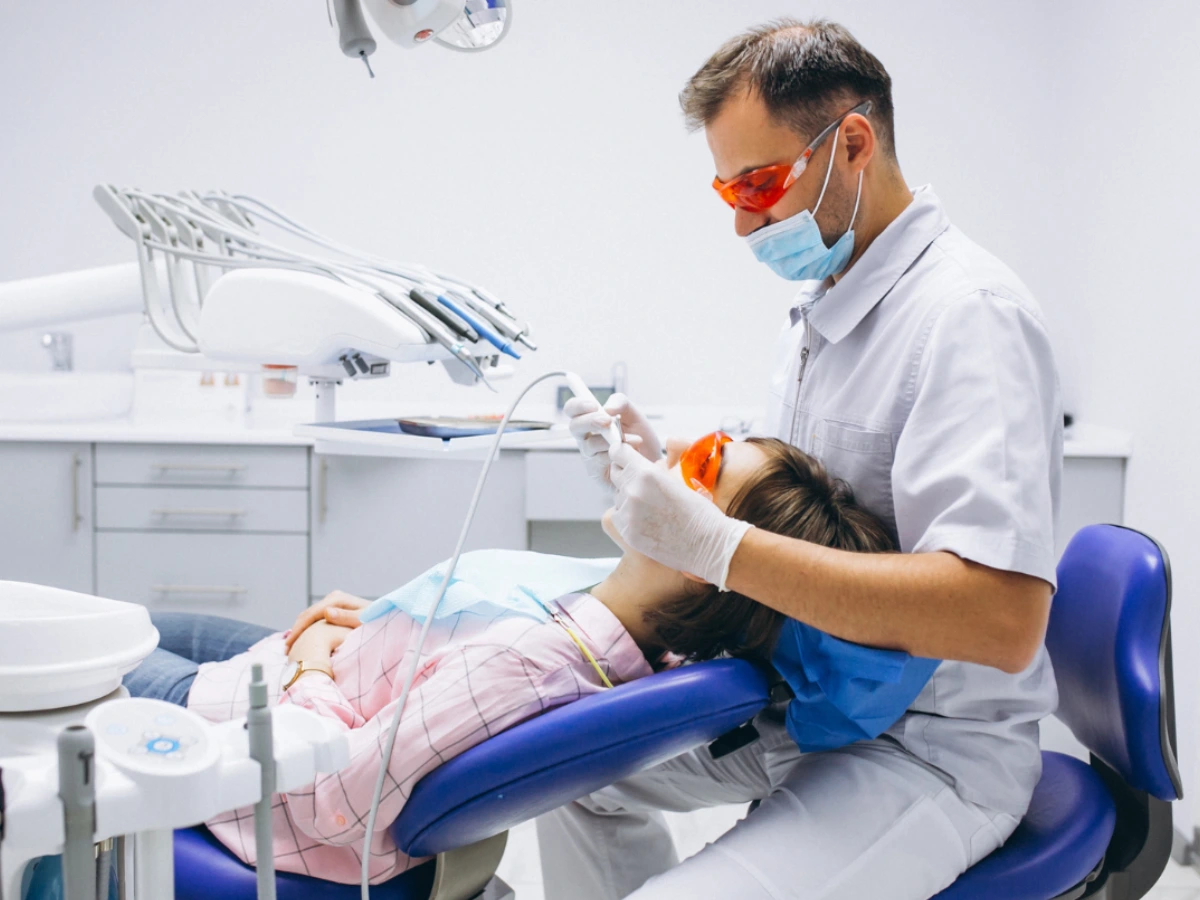
Seeing a dentist early often makes treatment easier. Your dentist can check the tooth, clean the area, and decide whether the filling can be replaced or the crown can be re-cemented. If there is new decay or damage, treating it early gives you the best chance of keeping the tooth strong and stable.
This is also the best way to avoid unnecessary pain. Many dental problems start small and worsen quietly. By the time the pain becomes severe, the treatment is often more involved.
Don’t let a small problem turn into a bigger one
A lost filling or crown is not something to ignore. Even if the discomfort seems manageable, the tooth is at risk from the moment that protection is lost. Quick care can prevent pain, reduce the chance of infection, and help save the tooth before the damage spreads.
If you have a lost filling or crown, Orinda Dental Care can help assess the problem and restore your tooth as soon as possible. Book an appointment today.