

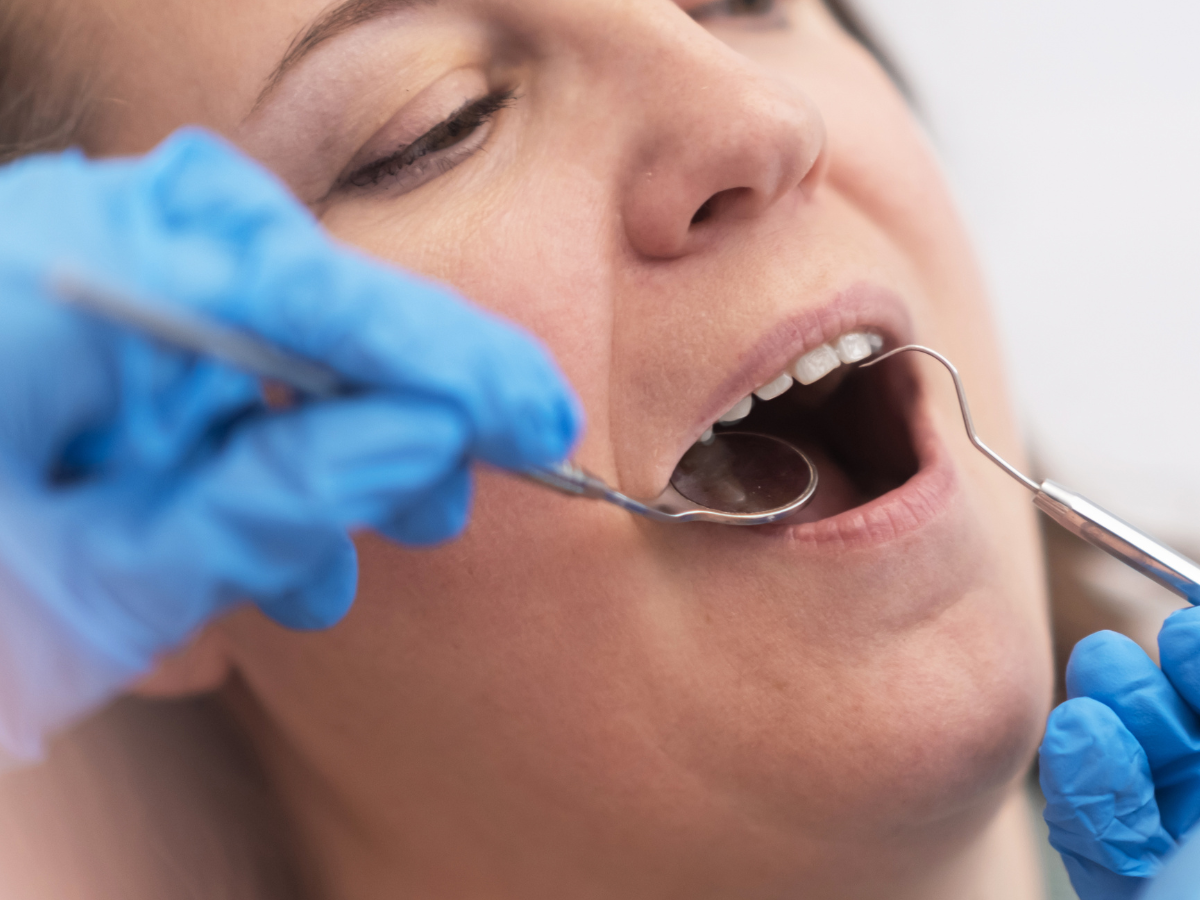
Dental issues before 40 are more common than many people think. Even if your teeth look healthy, early problems can develop without clear symptoms. In your 20s and 30s, lifestyle habits, diet, and stress can all affect your oral health.
As a dentist, I often see patients surprised by how quickly small issues can grow. The good news is that most of these problems are preventable and treatable when caught early.
Why Dental Issues Develop Before Age 40
Many adults assume serious dental problems happen later in life. In reality, early damage often starts much sooner.
Common Causes
- High sugar or acidic diets
- Inconsistent brushing and flossing
- Teeth grinding due to stress
- Skipping regular dental visits
- Smoking or vaping
These habits can weaken enamel, irritate gums, and increase the risk of decay.
1. Tooth Decay and Cavities
Tooth decay is one of the most common dental issues before 40. It can start small but progress quickly if untreated.
Symptoms
- Sensitivity to hot or cold
- Toothache or discomfort
- Visible dark spots or holes
Treatment Options
- Dental fillings for minor cavities
- Inlays or onlays for larger areas
- Crowns if the tooth is weakened
When to See a Dentist
If you feel sensitivity that does not go away or notice visible damage, it is time for a checkup.
2. Gum Disease (Gingivitis and Early Periodontitis)
Gum disease often begins silently. Many adults under 40 have early signs without realizing it.
Symptoms
- Bleeding gums when brushing
- Red or swollen gums
- Bad breath that does not improve
Causes
Plaque buildup along the gum line is the main cause. Poor oral hygiene makes it worse.
Treatment Options
- Professional dental cleaning
- Improved home care routine
- Deep cleaning for advanced cases
When to See a Dentist
Bleeding gums are not normal. Early care can reverse the condition before it progresses.
3. Teeth Grinding (Bruxism)
Stress and lifestyle can lead to teeth grinding, especially during sleep.
Symptoms
- Jaw pain or tightness
- Headaches in the morning
- Worn or flattened teeth
Treatment Options
- Custom night guards
- Stress management techniques
- Bite adjustment if needed
When to See a Dentist
If you wake up with jaw discomfort or notice worn teeth, it is important to get evaluated.
4. Tooth Sensitivity
Sensitivity is a common complaint among younger adults. It often points to enamel wear or gum recession.
Symptoms
- Sharp pain when eating cold or sweet foods
- Discomfort when brushing
Causes
- Aggressive brushing
- Acidic foods and drinks
- Early gum recession
Treatment Options
- Desensitizing toothpaste
- Fluoride treatments
- Protective dental procedures if needed
When to See a Dentist
If sensitivity is frequent or worsening, it should not be ignored.
5. Impacted Wisdom Teeth
Wisdom teeth often cause problems in your late teens or early adulthood, but issues can continue into your 30s.
Symptoms
- Pain at the back of the mouth
- Swelling or infection
- Difficulty opening the jaw
Treatment Options
- Monitoring if no symptoms
- Removal if impacted or causing pain
When to See a Dentist
Pain or swelling near wisdom teeth should be checked quickly to avoid infection.
6. Cosmetic Concerns and Early Wear
Many adults under 40 also notice cosmetic changes.
Common Issues
- Stained or discolored teeth
- Minor chips or cracks
- Uneven tooth edges
Treatment Options
- Professional whitening
- Dental bonding
- Veneers for long-term improvement
These treatments can improve both appearance and confidence.
How to Prevent Dental Issues Before 40
Prevention is simple but requires consistency.
Daily Habits
- Brush twice a day with fluoride toothpaste
- Floss daily
- Limit sugary and acidic foods
Regular Care
- Visit your dentist every six months
- Address small problems early
- Use a night guard if you grind your teeth
Small steps now can prevent bigger treatments later.
Final Thoughts
Understanding dental issues before 40 helps you take control of your oral health early. Problems like cavities, gum disease, and teeth grinding can develop quietly but worsen over time.
Regular checkups and good habits make a big difference. If you notice any changes in your teeth or gums, it is best to act early.
At Orinda Dental Care, we focus on prevention and early treatment to keep your smile healthy. You can book an appointment when you are ready for a personalized assessment and care plan.